Article Synopsis
The Port of Nanaimo is Vancouver Island’s primary gateway to global trade, connecting the region to 25 ports across 14 countries and supporting exports such as forest products, bulk materials, and manufactured goods. Port activity sustains regional employment in marine services and logistics while supporting critical import flows. Expansion at the Duke Point Terminal will increase container capacity and vessel handling, strengthening supply chain resilience and reinforcing Nanaimo’s role in Pacific trade networks.
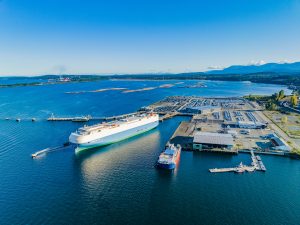
The Port of Nanaimo is where Vancouver Island meets the global economy. From its terminals, goods move to 24 international ports in 13 countries. Including Canada, that reach extends to 25 ports across 14 countries. Key destinations include China, Japan, South Korea, the United States, Germany, and the United Kingdom. What moves through the port reflects the breadth of the island’s economy: logs, lumber, plywood, pulp, and paper products; scrap plastic and metal; bottled water and general merchandise; and bulk materials like stone, sand, and steel.
Trade Routes That Sustain Island Jobs and Supply Chains
This trade network translates directly into jobs. Port activity supports dock workers, marine services, customs and freight handling, trucking, warehousing, and logistics firms across the region. Forestry remains a major driver of port employment, while marine transport and terminal operations account for a substantial share of local jobs. For Island manufacturers and exporters, the port is a practical link to overseas markets. For residents and businesses, it keeps essential supply chains moving.
Duke Point Expansion Reshapes Nanaimo’s Role in Pacific Shipping
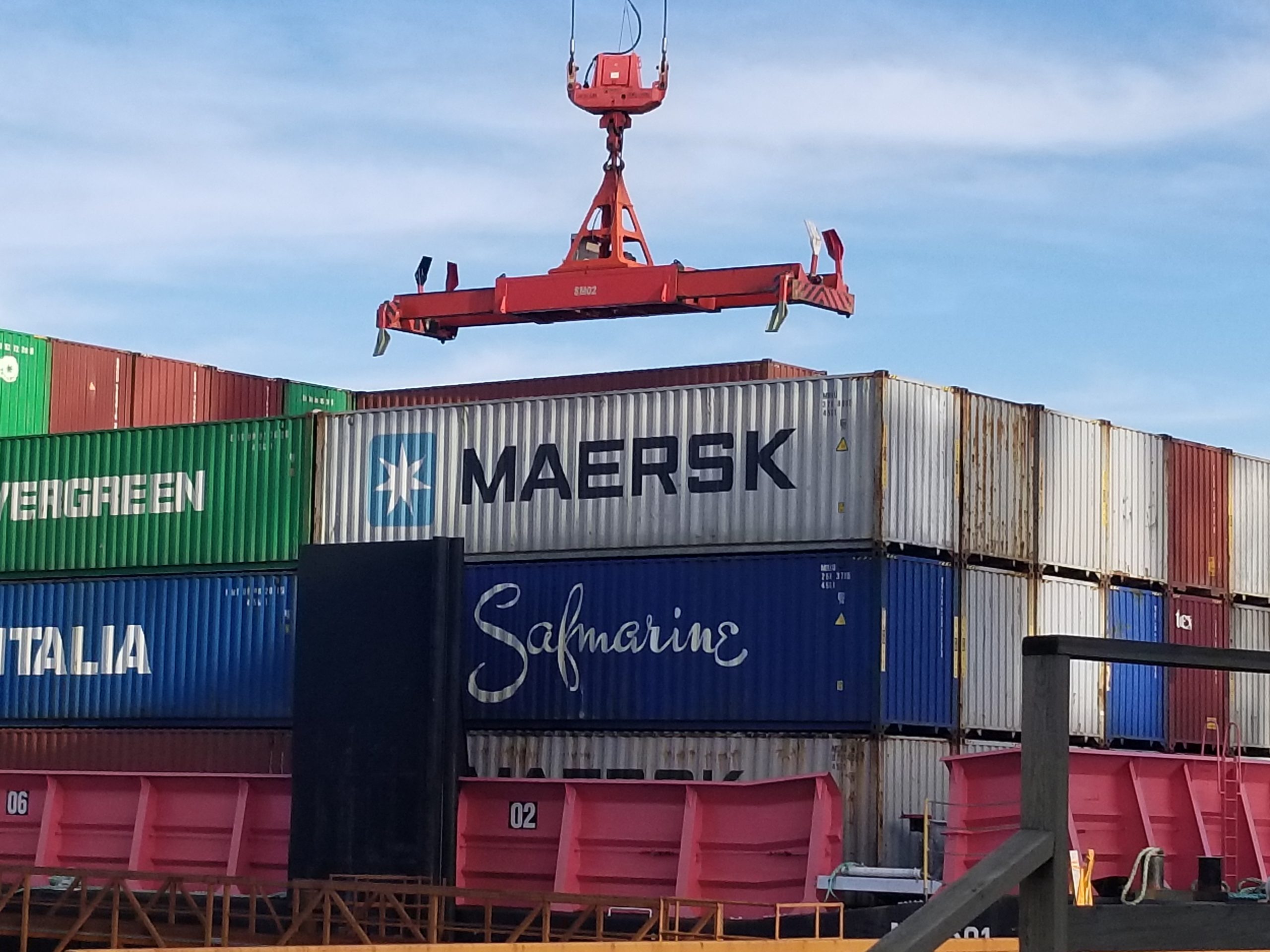
The next chapter for the port is already under construction. The Duke Point Terminal expansion, now underway following a groundbreaking in April 2025, is backed by federal and provincial funding and partnerships with DP World and the Snuneymuxw First Nation. Phases two and three will nearly double berth length and increase container capacity to roughly 280,000 20-foot shipping containers per year. That scale allows Nanaimo to handle larger vessels and expand short sea shipping connections to Vancouver.
What Expanded Capacity Means for Jobs, Resilience, and Growth
The implications go beyond infrastructure. Construction brings immediate employment, followed by new long term operational roles. Faster, more reliable container handling strengthens supply chain resilience for Vancouver Island, from food and medical supplies to export-ready goods. Improved connectivity also creates conditions for new logistics and industrial activity to cluster around the port.
Taken together, the Port of Nanaimo shows how a mid-sized coastal city can operate on a global stage. Its trade links support local industries, sustain jobs, and tie Nanaimo more tightly into international markets.